Sacred figures
The Buddhas, bodhisattvas and other sacred figures met in the world, and how tradition depicts each one. Every page names its sources.
No figure matches that search.
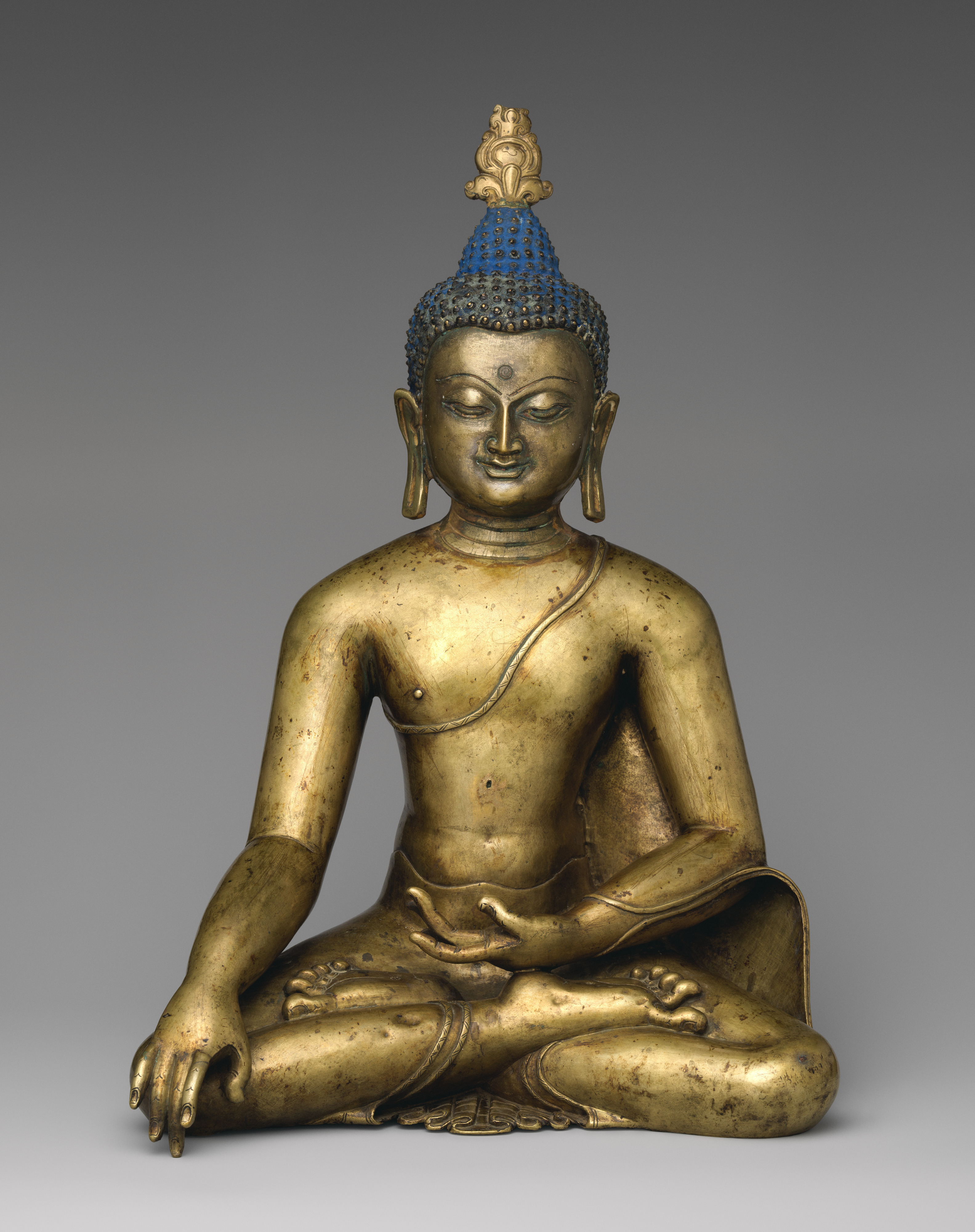 Pavilion Buddhas of the Thirty-ThreeAdaptation
Thirty-three copies of one Buddha-like figure, robed in three warm colours, sit in pavilions on the game's terrace of the Thirty-Three gods on Meru.
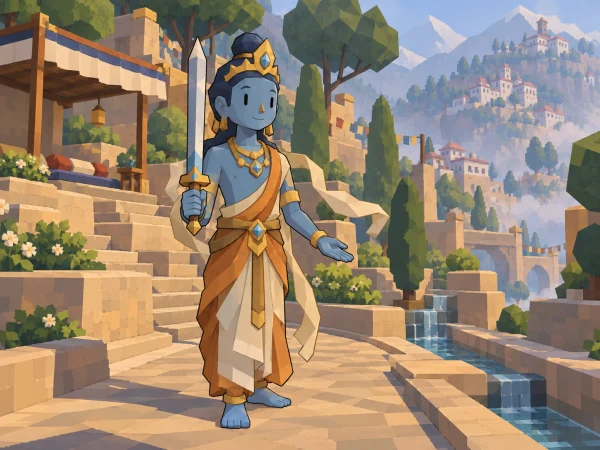 Ākāśagarbha
Akashagarbha, Namkhé Nyingpo in Tibetan, is the Essence of Space, one of the Eight Close Sons.
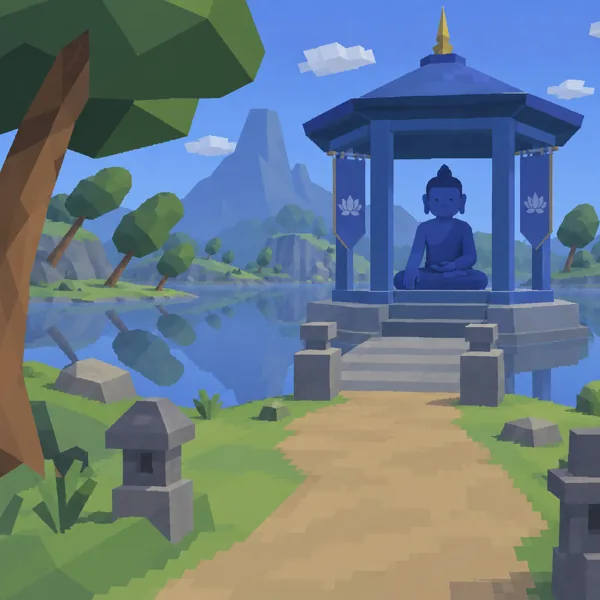 Akṣobhya
Akshobhya, the Immovable Buddha, is Mitrugpa in Tibetan.
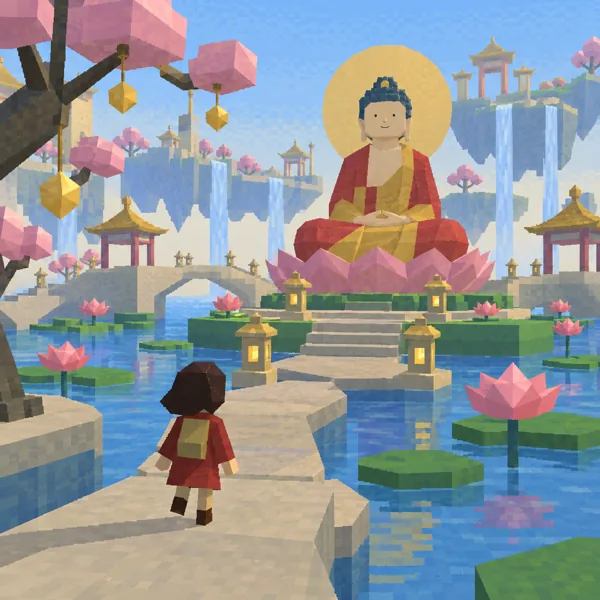 Amitābha
Amitabha, the Buddha of Limitless Light, is Öpagme in Tibetan.
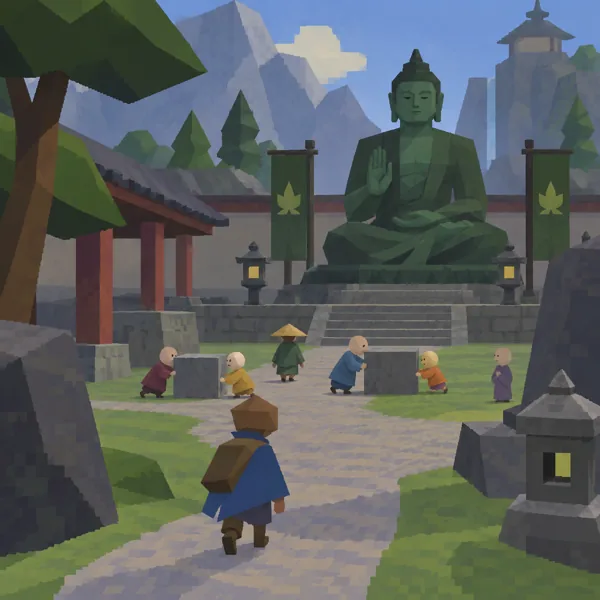 Amoghasiddhi
Green and peaceful, Amoghasiddhi raises his right palm outward, fingers up, in the gesture of protection, while his left hand rests in his lap.
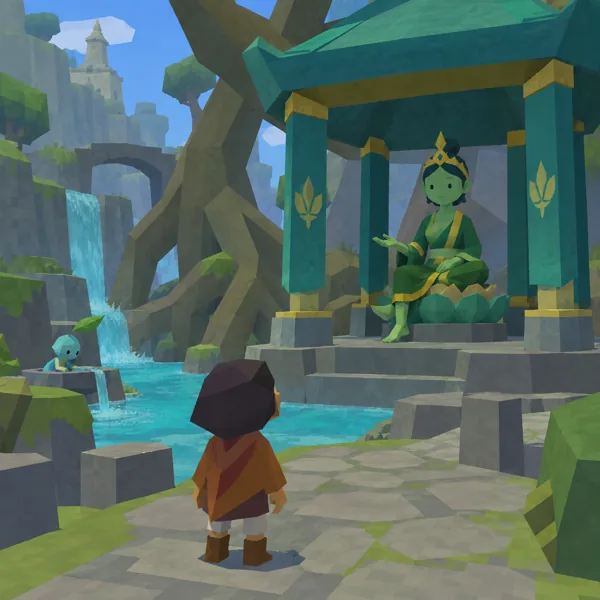 Green Tārā
Green Tara, Arya Tara or Dölma in Tibetan, is a female Buddha, the feminine form of awakened, compassionate activity.
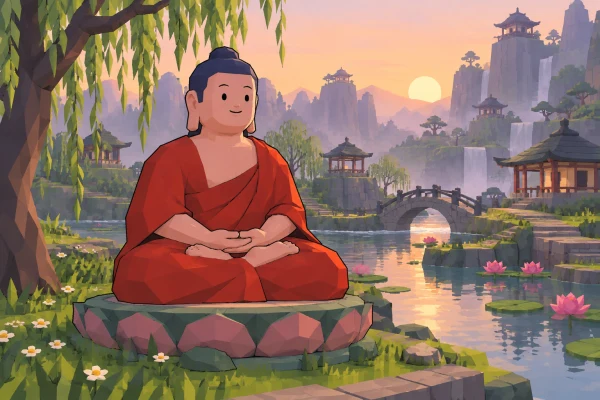 Supreme Glory Free from Sorrow
Ashokottamashri, Supreme Glory Free from Sorrow, is the fourth Medicine Buddha.
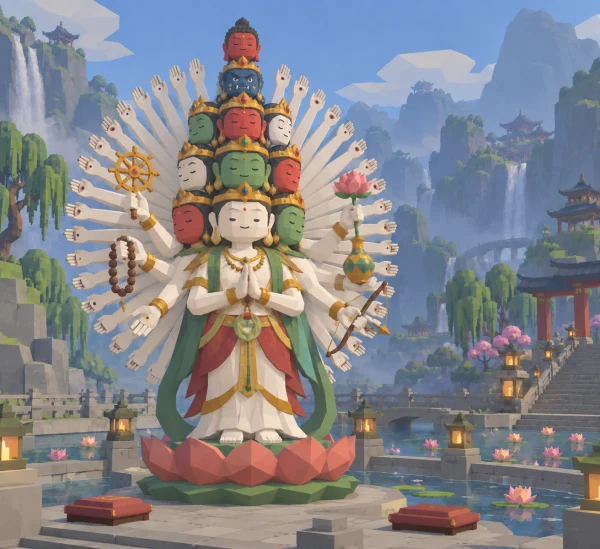 Thousand-armed Avalokiteśvara
Eleven faces and a thousand arms, with an eye in every palm, mark this standing form of Avalokiteshvara.
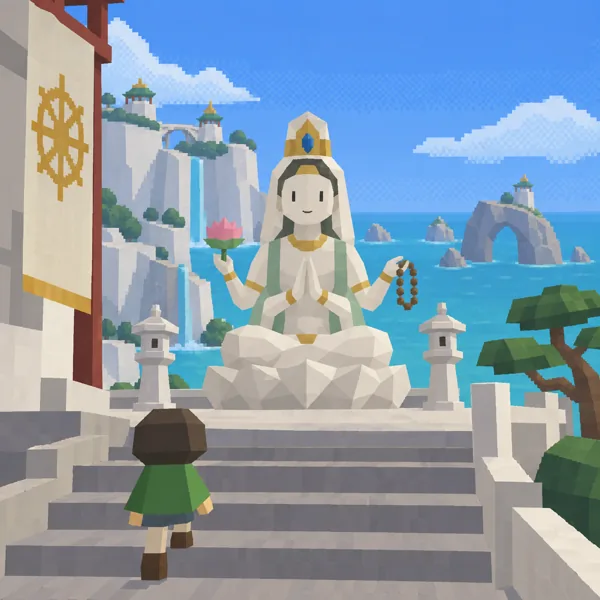 Four-armed Avalokiteśvara
In this seated form Avalokiteshvara, Chenrezig in Tibetan, is white, with one peaceful face and four arms.
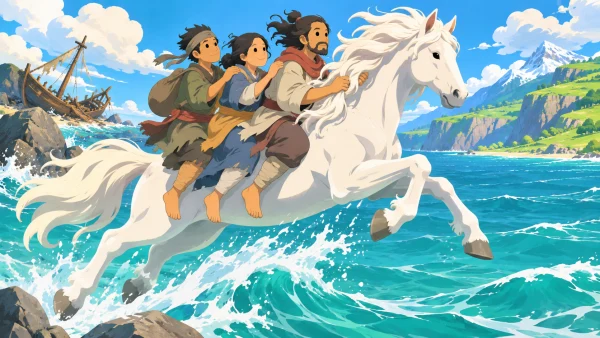 Bālāha
Balaha is a miraculous rescue horse.
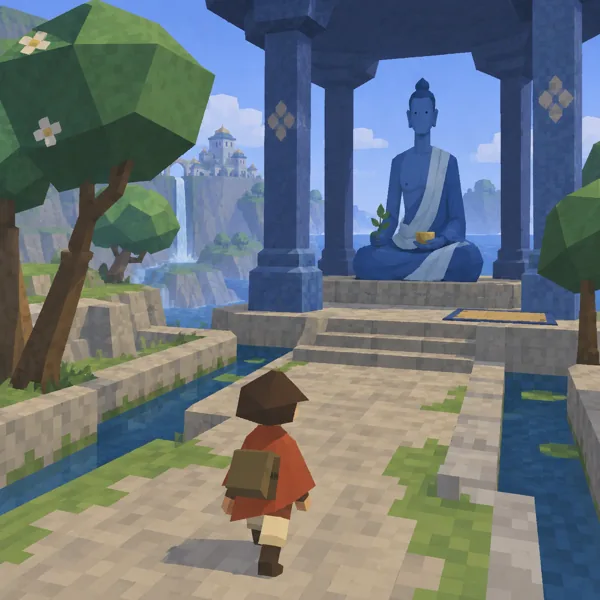 Medicine Buddha
Menla, the Medicine Buddha, is blue.
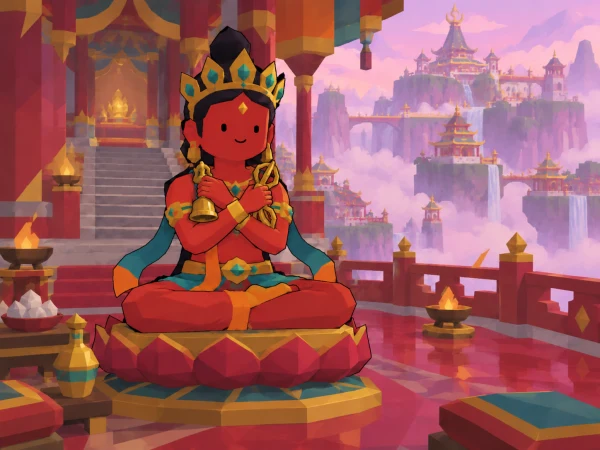 Vajradharma
 here is a red Buddha with one peaceful face and two arms, seated with legs fully crossed.
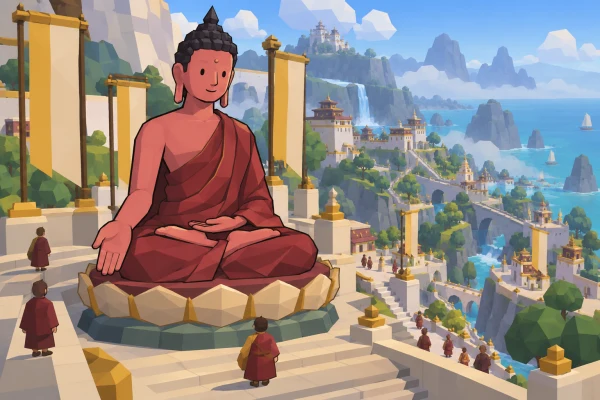 Melodious Ocean of Proclaimed Dharma
Dark pink in the FPMT practice text, Dharmakirtisagaraghosha, the Melodious Ocean of Proclaimed Dharma, is the fifth Medicine Buddha.
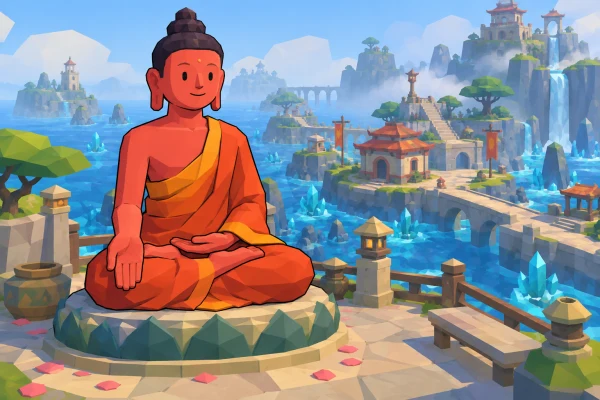 Delightful King of Clear Knowing
Sixth of the seven Medicine Buddhas is the Delightful King of Clear Knowing, Abhijnaraja for short.
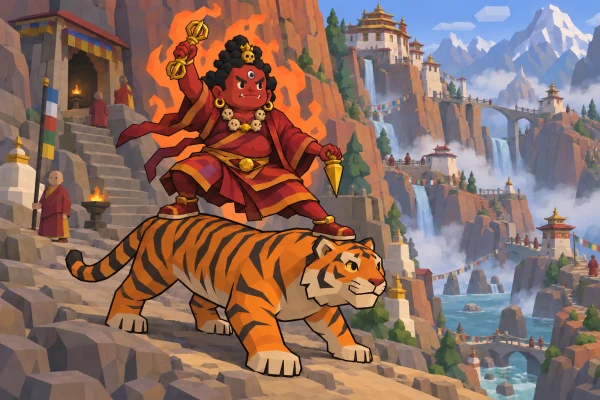 Guru Dorje Drolo
Dorje Drolo is Guru Rinpoche in wrathful form, dark red with three eyes and black hair standing up.
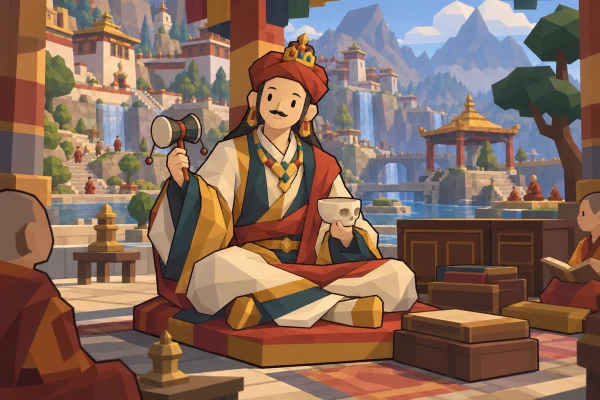 Guru Loden Chokse
Loden Chokse, the Supreme Seeker of Knowledge, is Guru Rinpoche as a learned master.
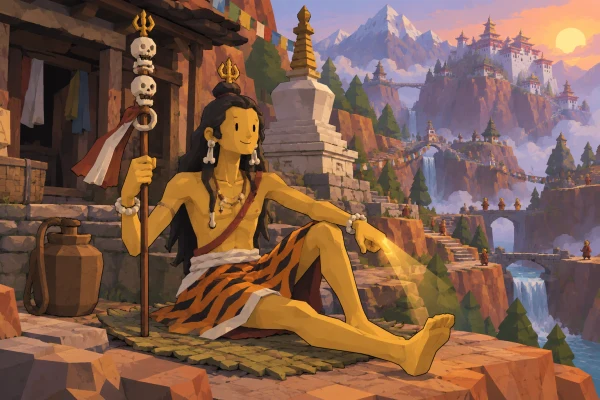 Guru Nyima Oser
Nyima Oser, Rays of the Sun, is Guru Rinpoche as a yogin, a tantric adept.
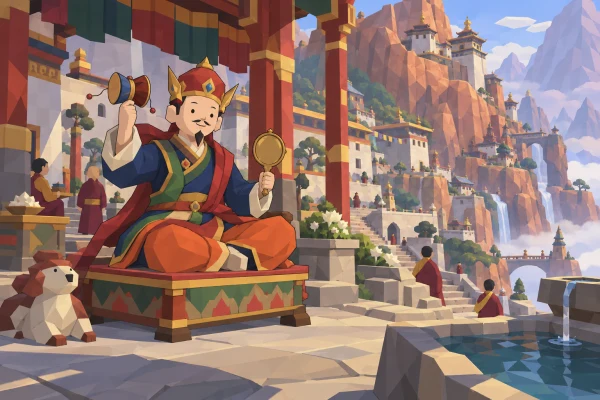 Guru Pema Gyalpo
Pema Gyalpo, the Lotus King, is the royal form of Guru Rinpoche.
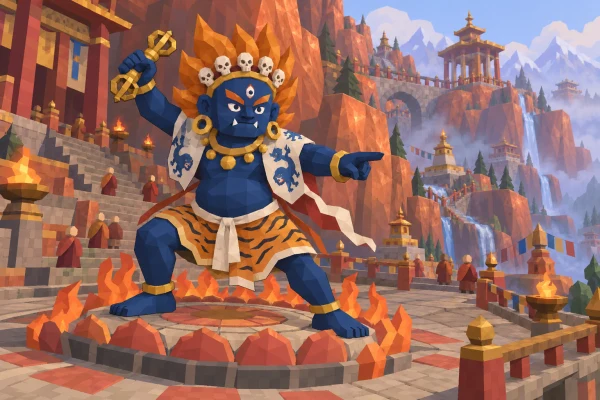 Guru Senge Dradrok
Senge Dradrok, Lion's Roar, is a wrathful form of Guru Rinpoche.
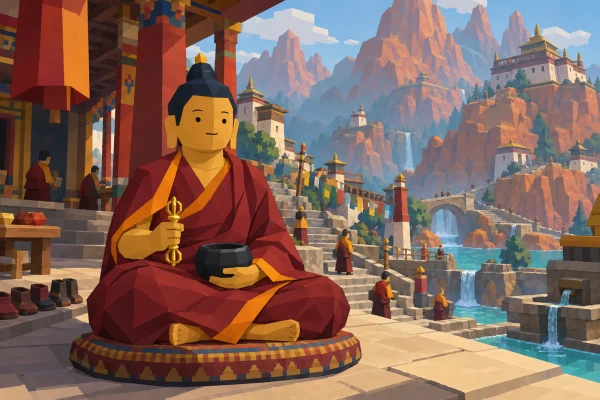 Guru Shakya Senge
As Shakya Senge, Lion of the Shakyas, Guru Rinpoche appears as a monk.
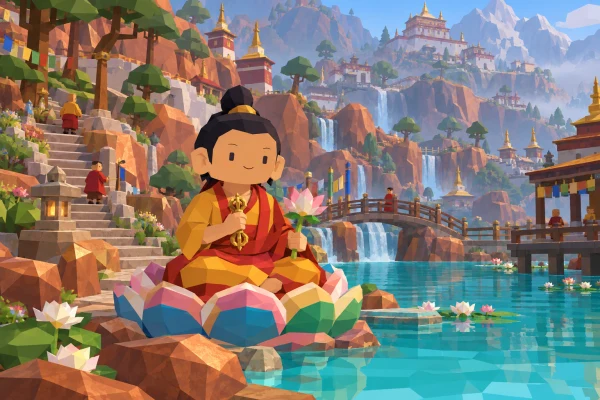 Guru Tsokye Dorje
, the Lake-born Vajra, is Guru Rinpoche at his birth from a lotus.
 Kṣitigarbha
Kshitigarbha, Sa yi Nyingpo in Tibetan, is one of the Eight Close Sons.
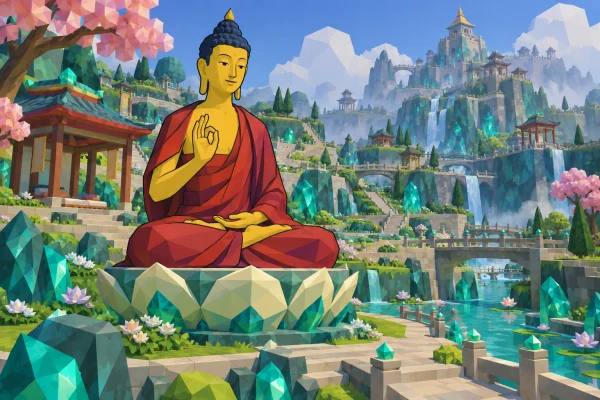 King of Melodious Sound
The second Medicine Buddha is the King of Melodious Sound, Kushalatejonirghosharaja in Sanskrit, and his body is yellow.
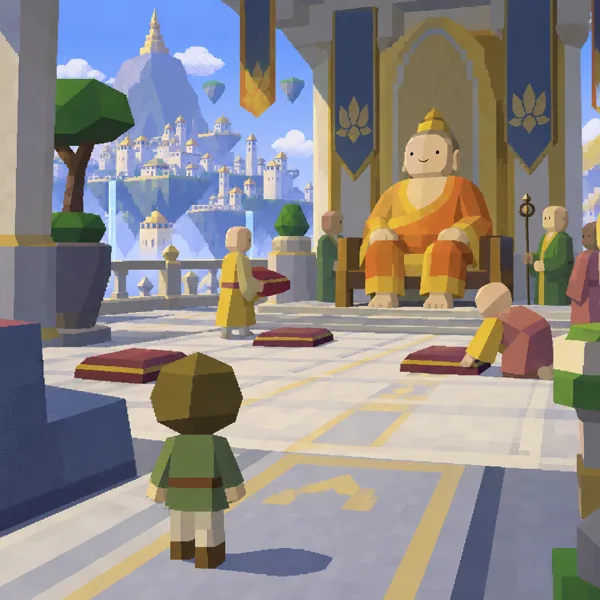 Maitreya
, Jampa in Tibetan, is the bodhisattva of loving kindness and the future Buddha.
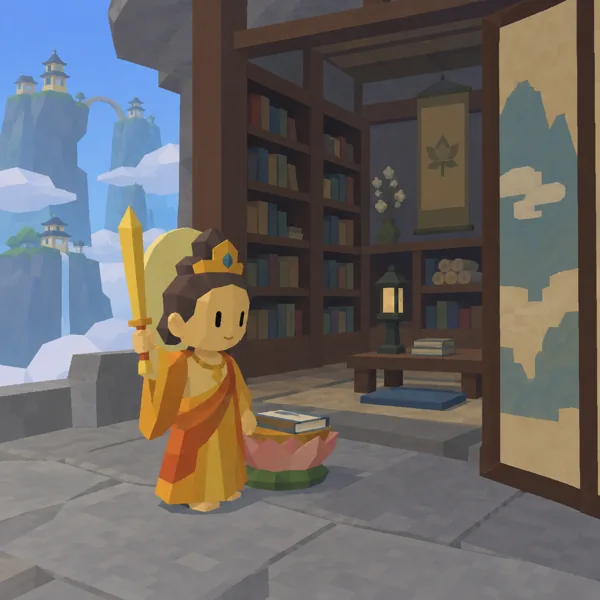 Mañjuśrī
Manjushri is the bodhisattva of wisdom.
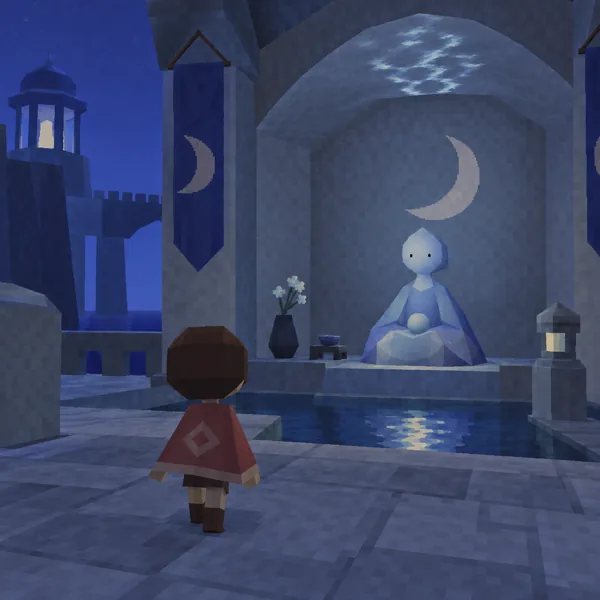 Moonlight bodhisattva
White in Jamyang Khyentse Wangpo's account, Moonlight stands at the Medicine Buddha's left, opposite Sunlight on the right.
 Painted Buddha on Yama's WheelAdaptation
In the game, a small painting on Yama's Wheel, in a clearing at the end of the gods' realm, repeats a traditional motif.
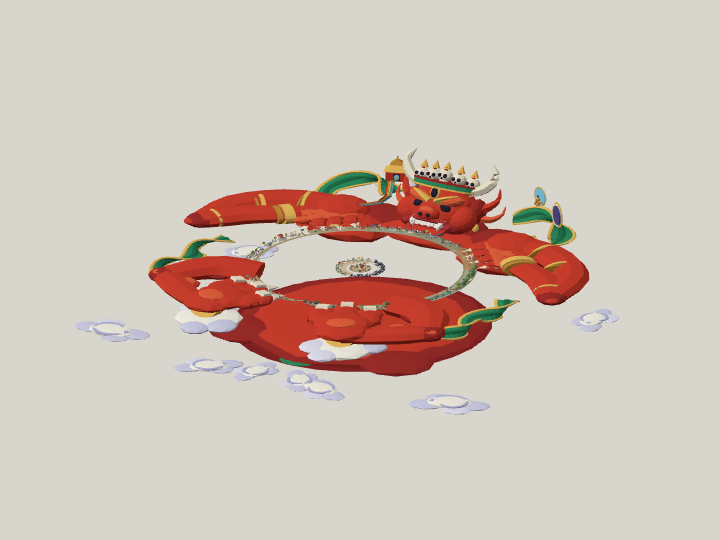 Buddha outside the Wheel
Outside the Wheel of Life stands a Buddha who points beyond it.
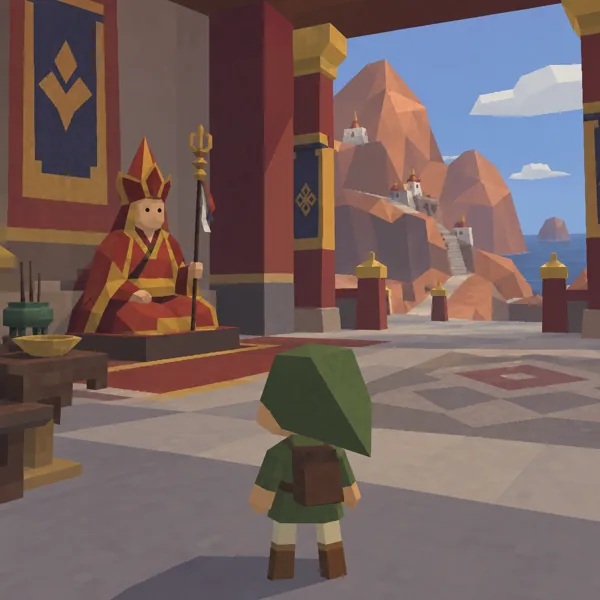 Padmasambhava
, also called Guru Rinpoche and Pema Jungne, is revered in the Nyingma school as the Second Buddha.
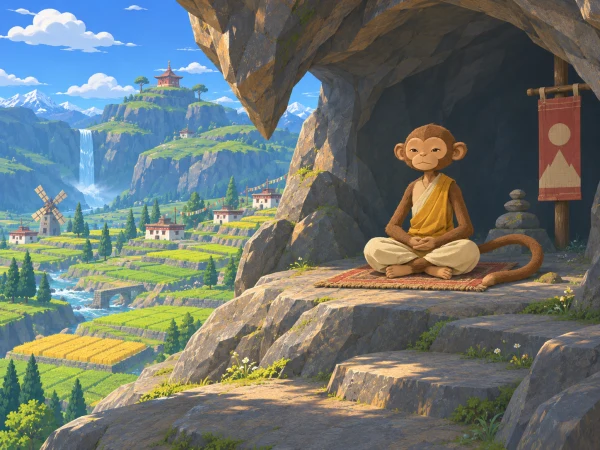 Pha Trelgen Changchup Sempa
 is the monkey bodhisattva, ancestor of the Tibetan people.
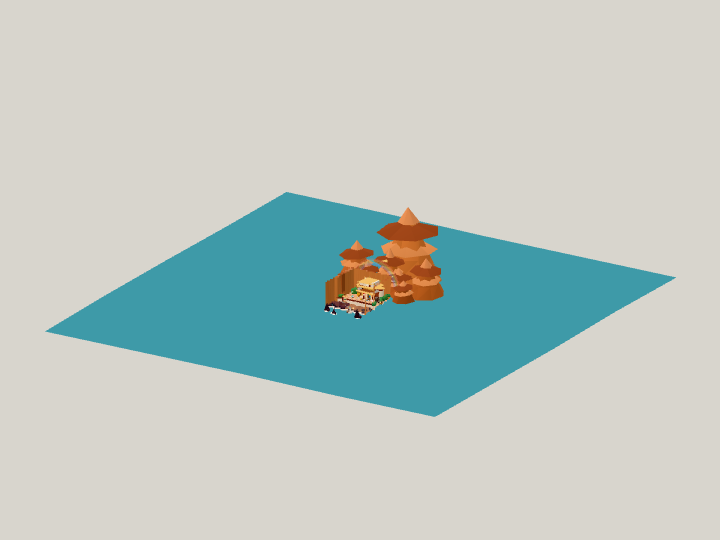 Samantabhadra as AmitābhaAdaptation
On the upper level of the palace on the Copper Mountain, Zangdok Palri, Jigme Lingpa's prayer places the primordial Buddha Samantabhadra appearing as Amitabha.
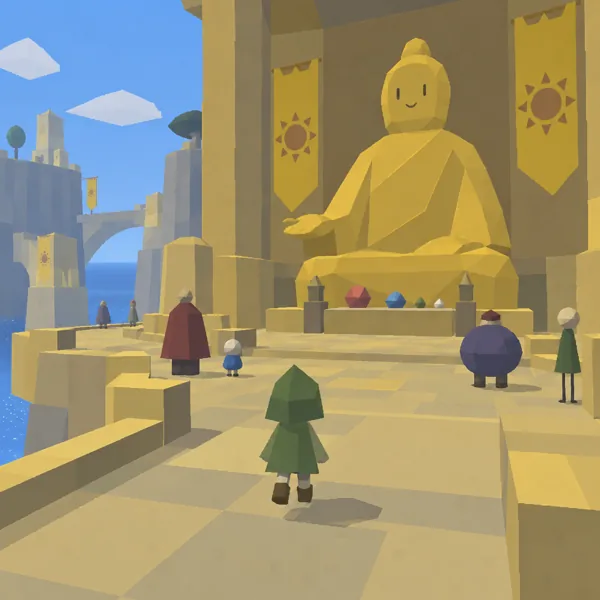 Ratnasambhava
Yellow in body, Ratnasambhava is the Jewel-born Buddha, Rinchen Jungné in Tibetan, and belongs to the south.
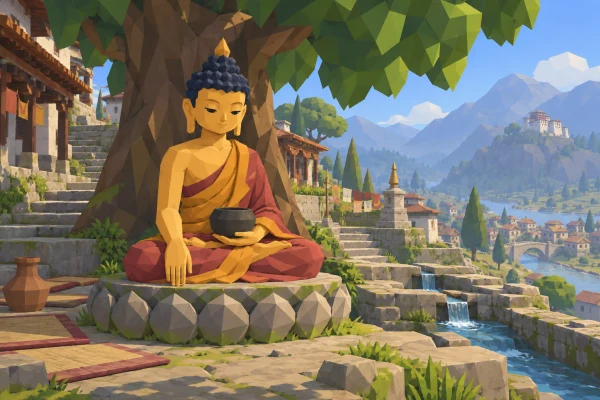 Śākyamuni Buddha
Shakyamuni Buddha, the Lion of the Shakyas, sits as a monk with a golden body, legs fully crossed in vajra posture.
 Samantabhadra bodhisattva
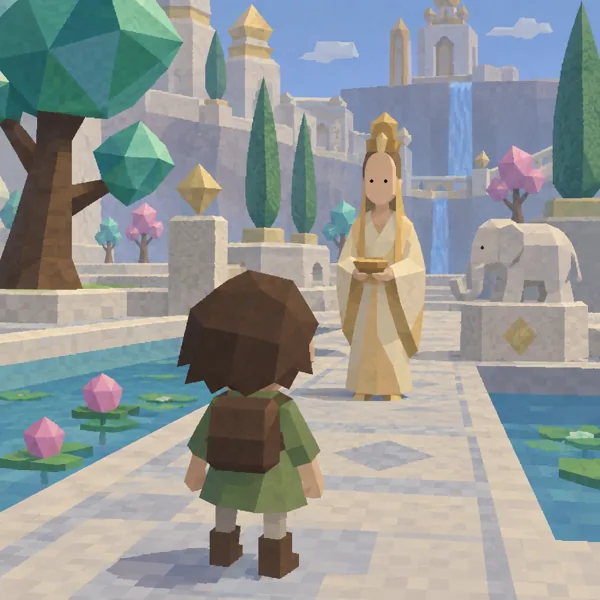
This Samantabhadra, Kuntuzangpo in Tibetan, is the bodhisattva of good conduct and aspiration and one of the Eight Close Sons.
 Sarvanīvaraṇaviṣkambhin
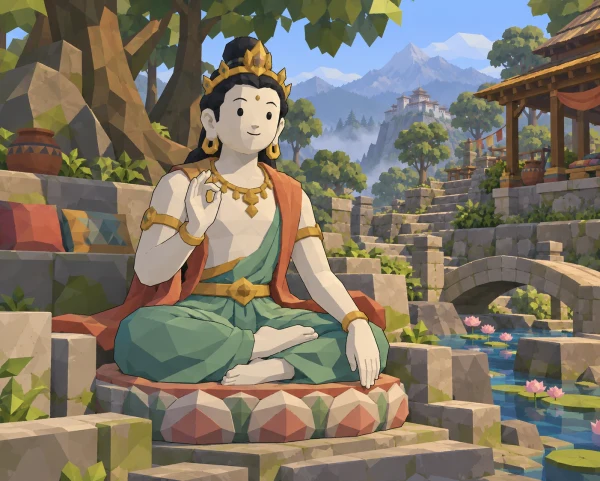
His long name, Sarvanivaranavishkambhin, means remover of obscurations.
 Sudhana
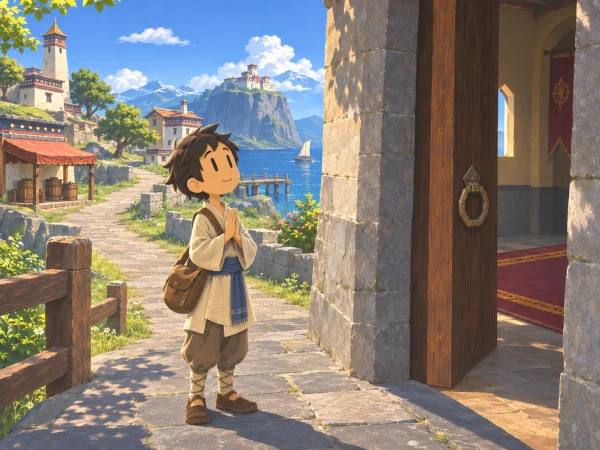
, Nor bzang in Tibetan, is a head merchant's son who makes a long pilgrimage to receive teaching from spiritual friends.
 Sunlight bodhisattva
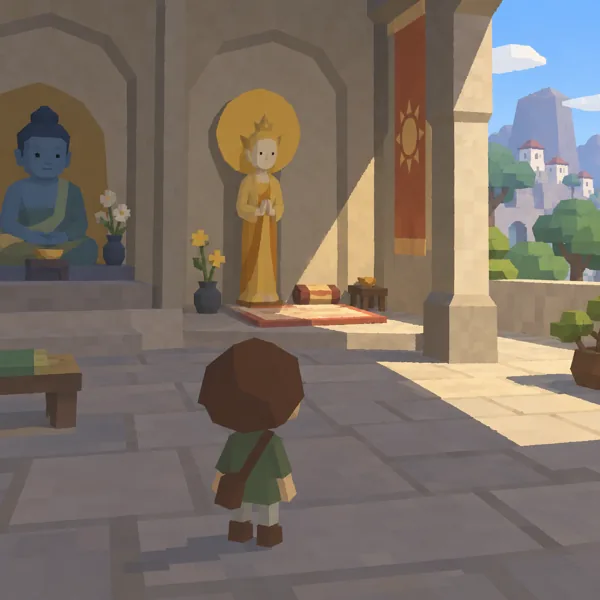
Sunlight, Suryaprabha in Sanskrit, is one of two bodhisattvas who flank the Medicine Buddha.
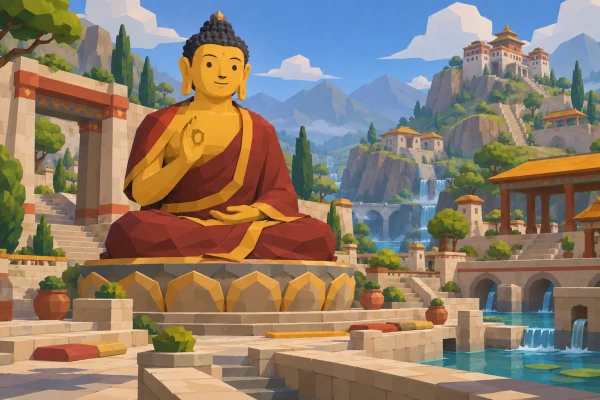 Excellent Signs
, Suparikirtitanamadheyashriraja in Sanskrit, is the first of the seven Medicine Buddhas.
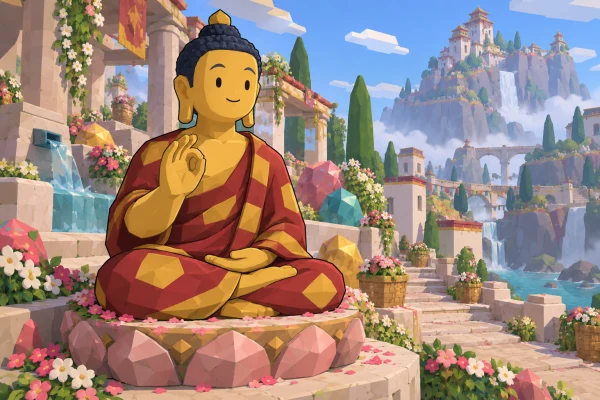 Stainless Excellent Gold
The third Medicine Buddha's name means Stainless Excellent Gold, and in the FPMT practice text his body is gold.
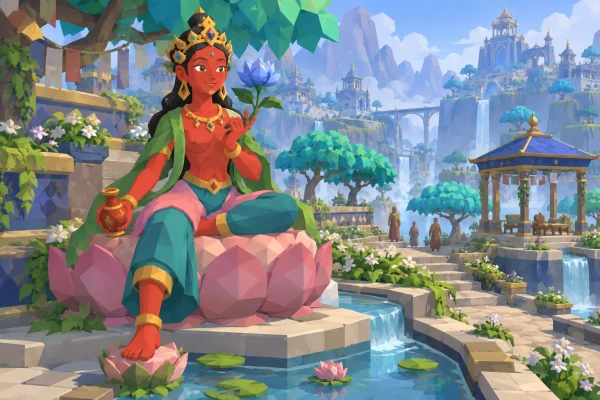 Tara 1
 is red in the Nepalese statue, with two eyes.
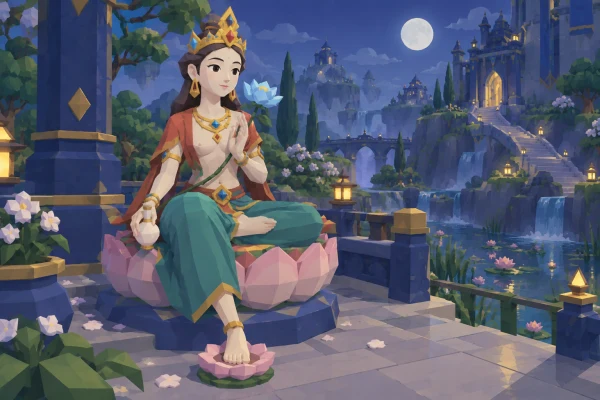 Tara 2
 is white in the Nepalese statue, with two eyes.
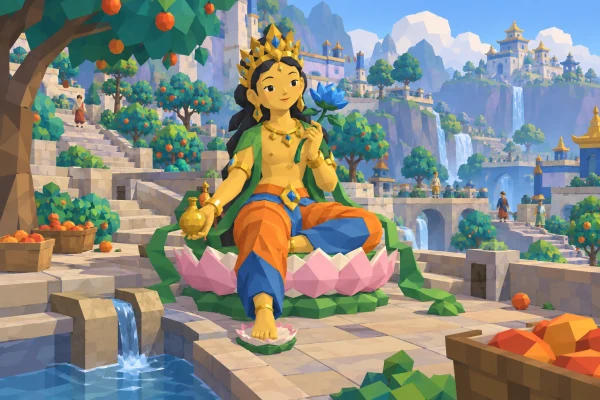 Tara 3
 is gold-ochre in the Nepalese statue, with two eyes.
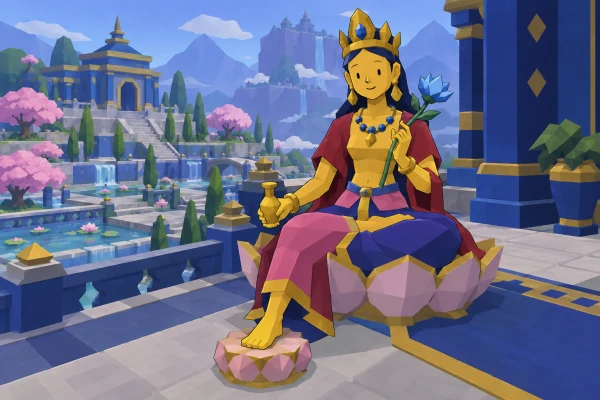 Tara 4
 is golden yellow in the Nepalese statue, with two eyes.
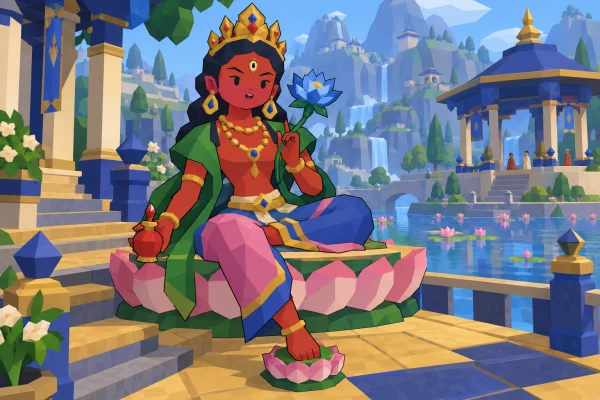 Tara 5
 is orange-red in the Nepalese statue, with three eyes, the third set upright in her forehead.
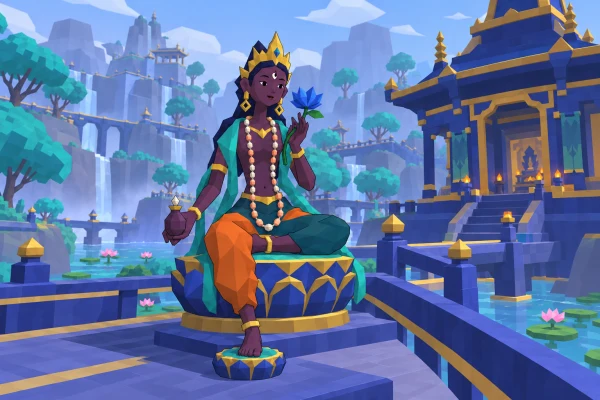 Tara 6
 is dark red, almost maroon in the Nepalese statue, with three eyes.
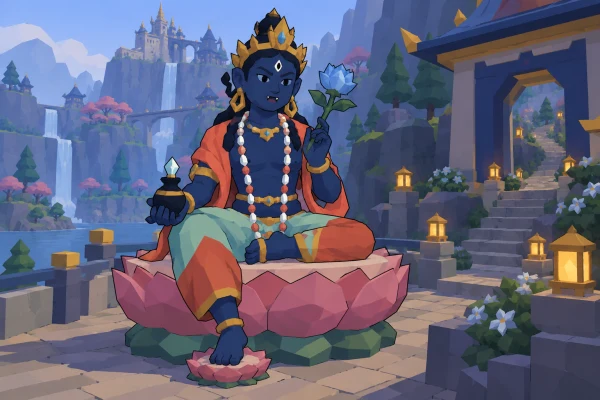 Tara 7
 is black in the Nepalese statue, with three eyes.
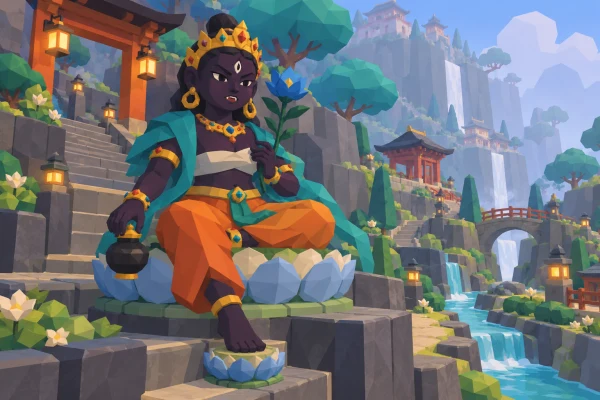 Tara 8
 is dark red to brown-black in the Nepalese statue, with three eyes.
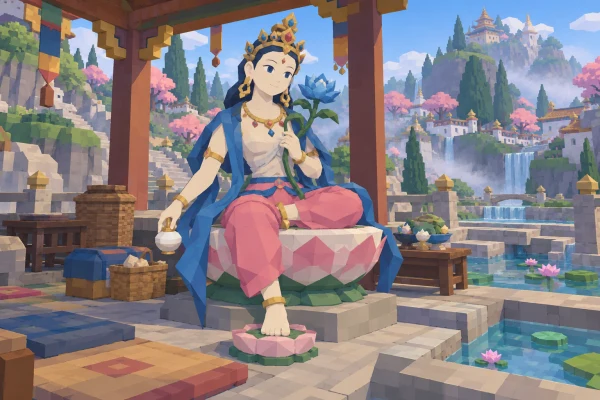 Tara 9
 is white in the Nepalese statue, with two eyes.
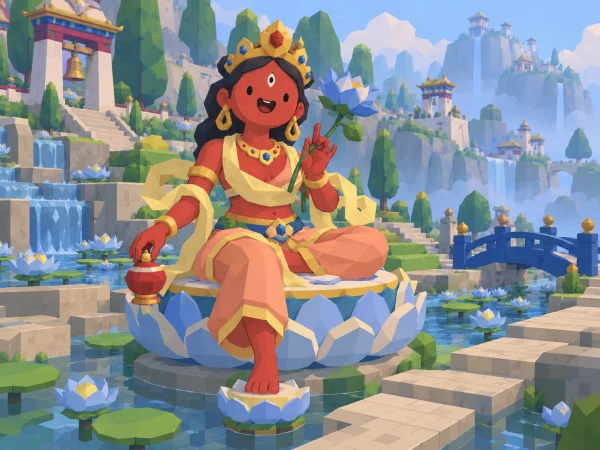 Tara 10
 is red in the Nepalese statue, with three eyes.
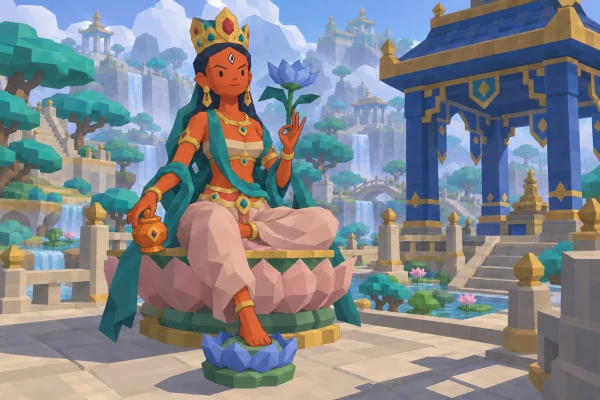 Tara 11
 is russet red-orange in the Nepalese statue, with three eyes.
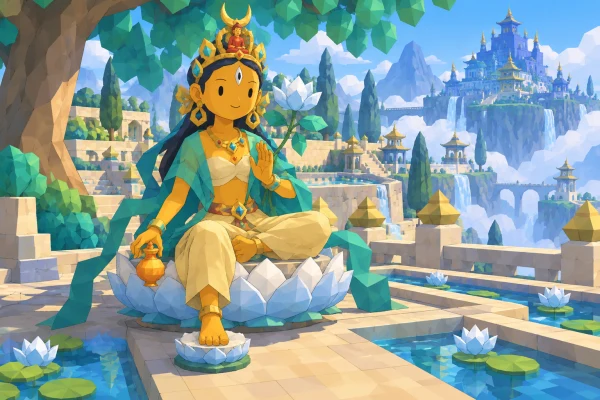 Tara 12
 is orange-gold in the Nepalese statue, with three eyes.
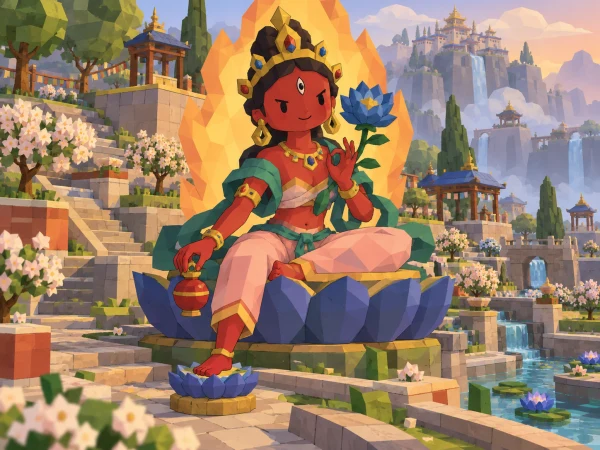 Tara 13
 is deep red in the Nepalese statue, with three eyes.
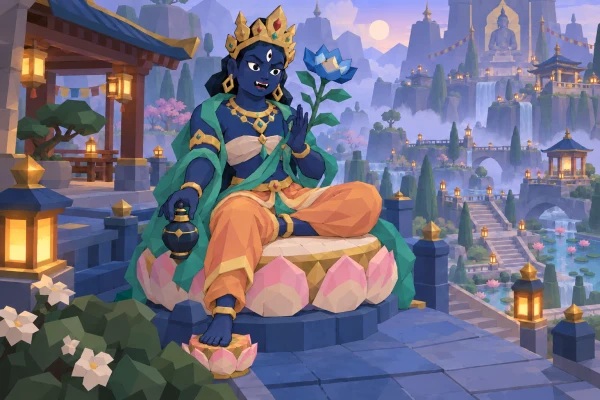 Tara 14
 is black in the Nepalese statue, with three eyes.
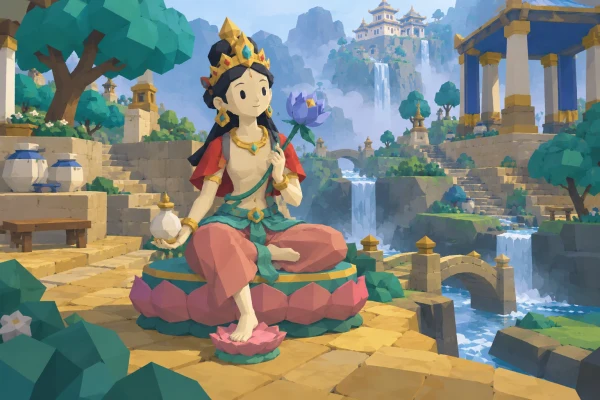 Tara 15
 is white in the Nepalese statue, with two eyes.
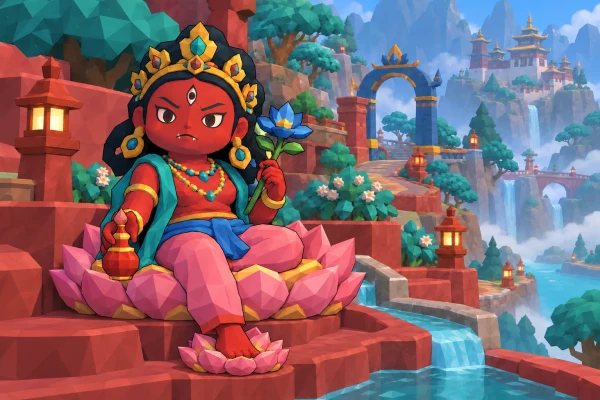 Tara 16
 is red in the Nepalese statue, with three eyes.
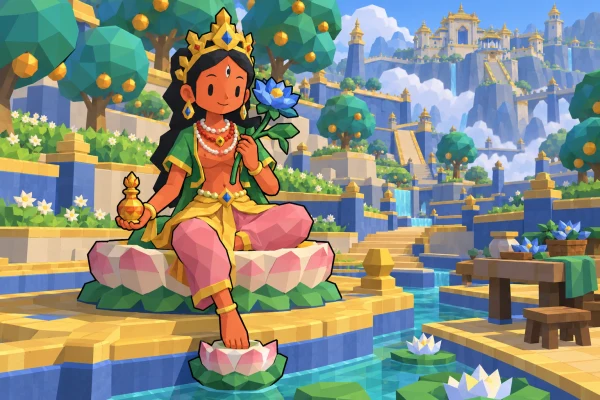 Tara 17
 is reddish orange in the Nepalese statue, with three eyes.
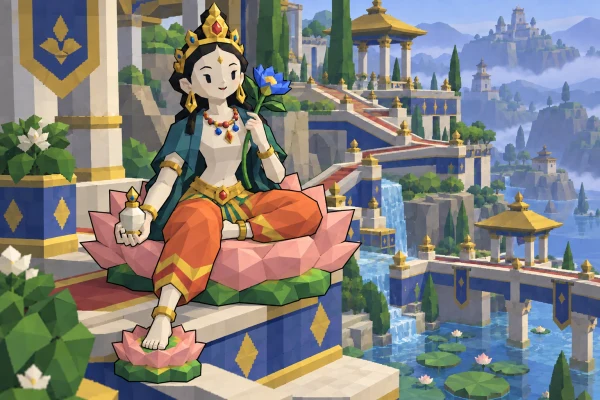 Tara 18
 is white in the Nepalese statue, with two eyes.
 Tara 19
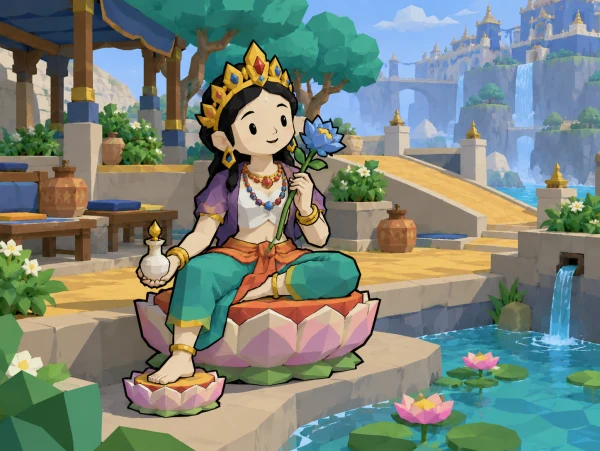
 is white in the Nepalese statue, with two eyes.
 Tara 20
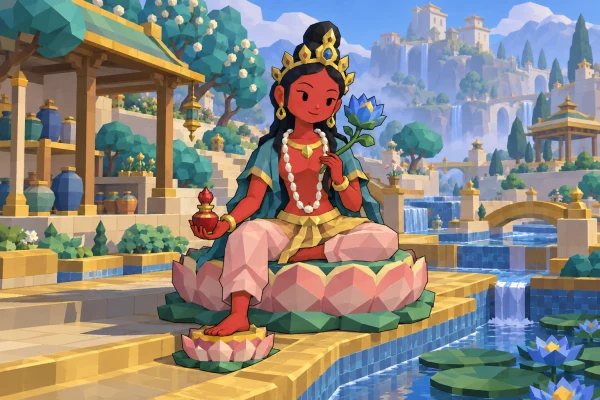
 is red in the Nepalese statue, with two eyes.
 Tara 21
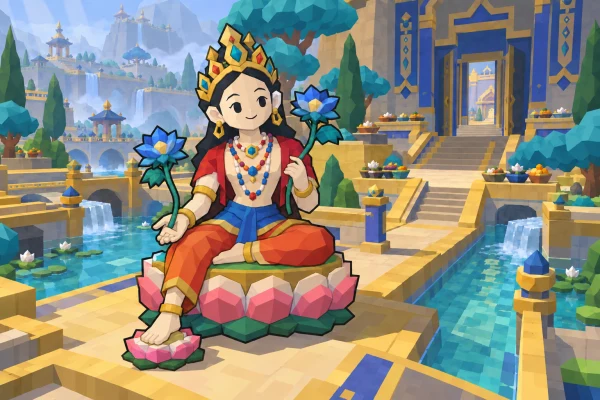
 is white in the Nepalese statue, with two eyes.
 The rock-ogress
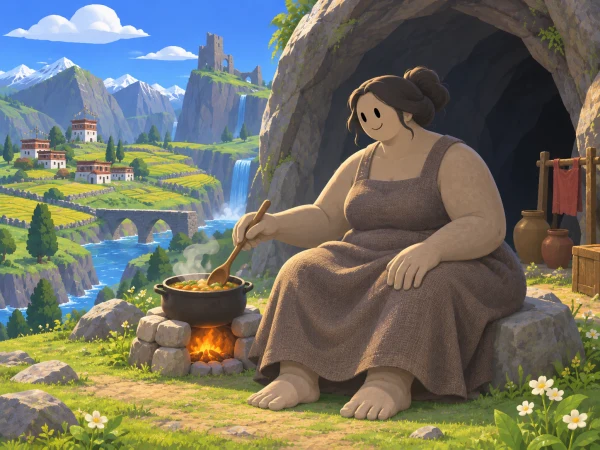
Seeking the monkey's companionship, the rock-ogress becomes the ancestral mother of the Tibetans.
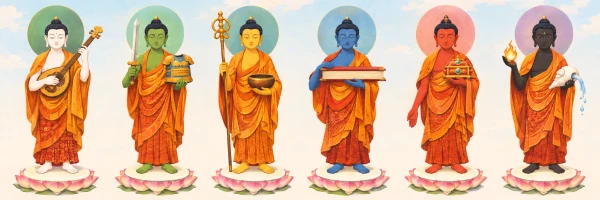 The six munis
 are sages, Buddhas in emanated form, one for each realm of rebirth: gods, asuras, humans, animals, hungry ghosts and hells.
- Buddha in the cloud palace
A small seated Buddha rests in a palace among clouds, in an upper corner outside the Wheel of Life.
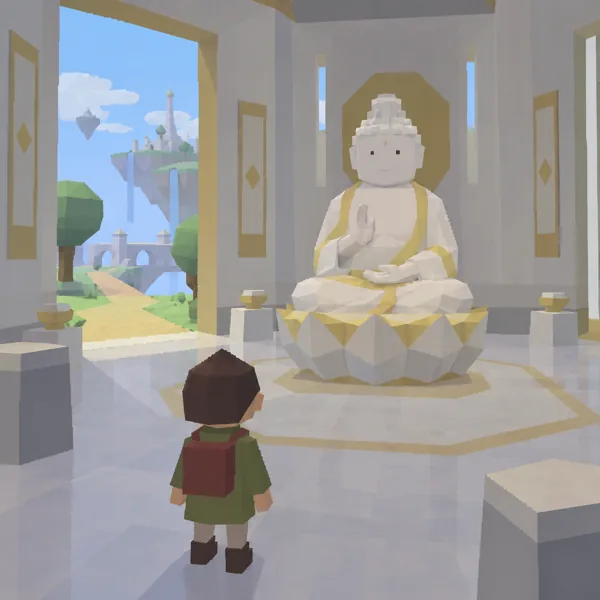 Vairocana
Called the Illuminator, Vairocana is Nampar Nangdzé in Tibetan.
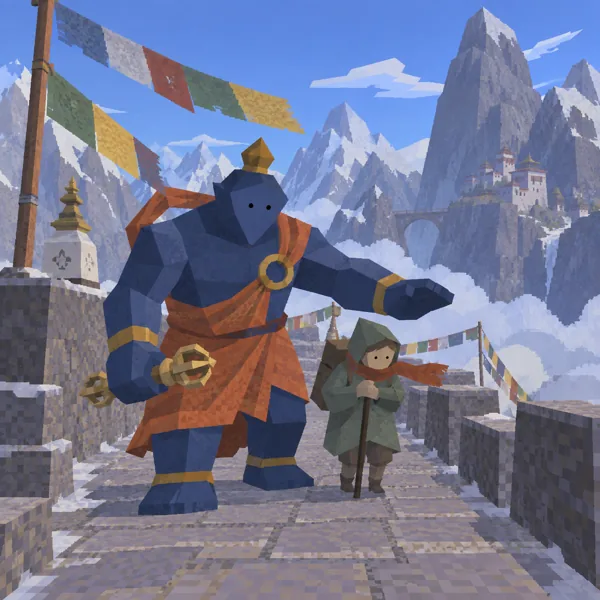 Vajrapāṇi
Vajrapani, Chagna Dorje in Tibetan, is the bodhisattva who holds the vajra, a ritual sceptre with pronged ends on either side of a central grip.
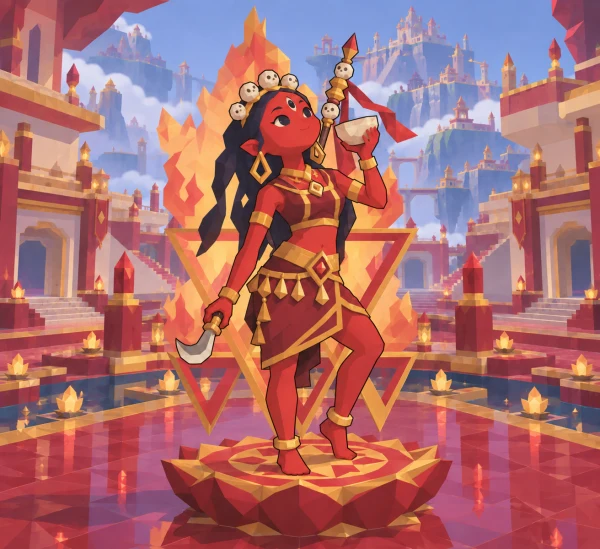 Vajrayoginī
Vajrayogini in her Naro Khechari form is a wisdom dakini, full Buddhahood in female form.
 Vimalakīrti
Vimalakirti is a lay bodhisattva of the Licchavis, a householder rather than a monk.
Work notes
How tradition depicts each Buddha and bodhisattva, with sources. Read in the loop’s Build pass. Machine-readable twin: iconography.json.
Buddhas, bodhisattvas and related sacred presences: traditional works, original concepts and current live rigs, with sourced instructions for each specific representation. Before a model pass on one of them:
- Read the Agent model guide.
- Open the figure’s page from the index below and compare its traditional depictions, criteria, concept and current model side by side.
- Build the identified Tibetan form from its sources, keeping its traditional identity markers legible within the game’s low-poly art register.
A model is finished when its independent review passes.
How many models meet their criteria?
60 of 67 figures have ready criteria; 6 models meet them; 61 are pending. A model meets its criteria when the world plan’s contract is ready and the model’s current independent Atlas review passes with no finding.
| Criteria | |
|---|---|
| Model review | |
| Dossier assessment |
What each colour means
Rules these contracts enforce
- R3 An awakened figure matches its required appearance in docs/buddhist-iconography/. No cartoon smiley face: the face follows the figure's iconography entry, with solid black eyes.
- R4 No figure's head or body cuts into its shrine, canopy or throne. The structure is sized to the figure, from every capture angle.
- R13 Eye rule exceptions: BodhiBot keeps her own eyes (the amber shapes on her screen). A character whose eyes sit behind a visor is fine as it is. Everyone else follows the solid-black rule.
Which figures does the library cover?
Identity, representation and completion are separate. The scope ledger, scope.json, records what was found and what is included or excluded.
| Inventory | Inventoried | With a dossier | Without a dossier |
|---|---|---|---|
| entries | 50 | 50 | none |
| contextual entries | 16 | 12 | Kalavinka kalavinka, Jivajivaka jivajivaka, Offering goddess offering-goddess, Citipati Pair citipati-pair |
| inline depictions | 5 | 5 | none |
Download the full reference collection · Coverage inventory · Image provenance
Every figure's criteria and model state
Each figure's anchor on this page is its slug, for example #meru-pavilion-buddhas, and opens the figure's page.
| Figure | Criteria | Model review | Meets criteria | Assessment | References | Plan uses |
|---|---|---|---|---|---|---|
| 33 repeated anonymous Buddha-like shrine figures; no named canonical identities establishedinline anonymous sacred shrine family; identity/program unresolved · Game’s Thirty-Three terrace / Tibetan-style Buddha shrine appearance; canonical family identification pending | Criteria ready | No registered rig | no | Stale assessment | 2 | 0 |
| Ākāśagarbha (Nam mkha’i snying po), bodhisattva; contested artwork identifications must remain labeledbodhisattva · Tibetan Eight Close Sons with documented color and emblem variants | Criteria blocked | Review has findings · minor | no | Stale assessment | 4 | 1 |
| Akṣobhya — Mitrugpa, the Immovable BuddhaBuddha; selected monastic appearance, ornamented forms separately documented · Tibetan blue eastern five-family form; Karma Chakmé supports nirmāṇakāya dress and elephant-supported throne | Criteria ready | Review has findings · minor | no | Stale assessment | 2 | 1 |
| Amitābha — Öpagme, Buddha of Limitless LightBuddha; selected unornamented monastic appearance · Tibetan Sukhāvatī/Dechen representation; selected form follows Lerab Lingpa's Swift Path to Great Bliss, corroborated by Sakya Paṇḍita | Criteria ready | Review has findings · minor | no | Stale assessment | 2 | 1 |
| Amoghasiddhi — Dönyö Drubpa, Unfailing Accomplishment BuddhaBuddha; selected green protection gesture game form · Tibetan northern five-family appearance; distinguish standard abhaya from historical crossed-vajra-holding sculpture | Criteria ready | Review has findings · minor | no | Stale assessment | 3 | 1 |
| Ārya Tārā / Green Tara (Śyāmatārā; Dölma)Female Buddha in peaceful bodhisattva/goddess appearance; awakened presence · Tibetan Green Tara; separate principal appearance from numbered Atisha twenty-one | Criteria ready | Review passes | yes | Stale assessment | 2 | 2 |
| Aśokottamaśrī — Supreme Glory Free from Sorrow (Medicine Buddha 4 of seven)Buddha; monastic/nirmāṇakāya appearance · Selected audit baseline: FPMT Medicine Buddha Sadhana, 2013; variation retained explicitly. | Criteria ready | Review has findings · minor | no | Stale assessment | 3 | 1 |
| Avalokiteshvara / Chenrezig, eleven-faced thousand-armed and thousand-eyed formBodhisattva and meditational deity; another appearance of the same Avalokiteshvara identity · Tibetan eleven-faced Nyungné-related form; FPMT Thirteenth Dalai Lama edition and explicitly named Panchen Tenpai Nyima (1782–1853) liturgy are retained separately where their descriptions differ. | Criteria ready | Review has findings · moderate | no | Stale assessment | 2 | 1 |
| Avalokiteshvara / Chenrezig, white seated four-armed Shadakshari formBodhisattva and meditational deity; an appearance of Avalokiteshvara, not a separate Buddha identity · Tibetan white seated four-armed form; Thangtong Gyalpo visualization is the selected textual baseline. Potalaka placement does not make a different iconographic form. | Criteria ready | Review passes | yes | Stale assessment | 2 | 2 |
| Bālāha / Balāha, miraculous rescue horseAvalokiteśvara narrative manifestation in selected Kāraṇḍavyūha account; not a separate Buddha · Tibetan Toh116 narrative; Newar white-horse and Khmer sculptural comparisons; Buddha-past-life Jātaka separately labeled | Criteria ready | Review passes | yes | Stale assessment | 2 | 1 |
| Bhaiṣajyaguruvaiḍūryaprabha (Bhaiṣajyaguru / Menla), seventh of the seven Medicine BuddhasBuddha; current intended monastic/nirmāṇakāya appearance · Selected audit baseline: FPMT Medicine Buddha Sadhana, 2013. Other Tibetan liturgical and painting variants remain valid when explicitly identified. | Criteria ready | Review has findings · minor | no | Stale assessment | 2 | 1 |
| Buddha Vajradharma, peaceful red crossed-vajra-and-bell form in the Naro Khechara contextTantric Buddha / root guru appearance; separate from blue Vajradhara and from Vajradharma Lokeshvara · Sakya/Ngor Vajrayogini/Naro Khechara selected form; Wang Dü red-Vajradharma teaching used as corroboration, not a universal replacement for the selected lineage. | Criteria ready | Review has findings · minor | no | Stale assessment | 3 | 1 |
| Dharmakīrtisāgaraghoṣa — Melodious Ocean of Proclaimed Dharma (Medicine Buddha 5 of seven)Buddha; monastic/nirmāṇakāya appearance · Selected audit baseline: FPMT Medicine Buddha Sadhana, 2013; variation retained explicitly. | Criteria ready | Review has findings · moderate | no | Stale assessment | 2 | 1 |
| Dharmasāgarāgramativikrīḍitābhijñārāja — Delightful King of Clear Knowing (Medicine Buddha 6 of seven)Buddha; monastic/nirmāṇakāya appearance · Selected audit baseline: FPMT Medicine Buddha Sadhana, 2013; variation retained explicitly. | Criteria ready | Review has findings · minor | no | Stale assessment | 3 | 1 |
| Guru Dorje Drolo / Dorje DrolöAwakened guru / manifestation of Padmasambhava; revered in Nyingma as Second Buddha, not a separate generic bodhisattva · Tibetan Nyingma Guru Rinpoche traditions; individual form and source-specific variants stated below | Criteria ready | Review passes | yes | Stale assessment | 2 | 1 |
| Guru Loden Chokse / Supreme Seeker of KnowledgeAwakened guru / manifestation of Padmasambhava; revered in Nyingma as Second Buddha, not a separate generic bodhisattva · Tibetan Nyingma Guru Rinpoche traditions; individual form and source-specific variants stated below | Criteria ready | Review has findings · minor | no | Stale assessment | 2 | 1 |
| Guru Nyima Oser / Rays of the SunAwakened guru / manifestation of Padmasambhava; revered in Nyingma as Second Buddha, not a separate generic bodhisattva · Tibetan Nyingma Guru Rinpoche traditions; individual form and source-specific variants stated below | Criteria ready | Review has findings · minor | no | Stale assessment | 3 | 1 |
| Guru Pema Gyalpo / Lotus KingAwakened guru / manifestation of Padmasambhava; revered in Nyingma as Second Buddha, not a separate generic bodhisattva · Tibetan Nyingma Guru Rinpoche traditions; individual form and source-specific variants stated below | Criteria ready | Review has findings · minor | no | Stale assessment | 2 | 1 |
| Guru Senge Dradrok / Lion’s RoarAwakened guru / manifestation of Padmasambhava; revered in Nyingma as Second Buddha, not a separate generic bodhisattva · Tibetan Nyingma Guru Rinpoche traditions; individual form and source-specific variants stated below | Criteria ready | Review has findings · minor | no | Stale assessment | 2 | 1 |
| Guru Shakya Senge / Lion of the ShakyasAwakened guru / manifestation of Padmasambhava; revered in Nyingma as Second Buddha, not a separate generic bodhisattva · Tibetan Nyingma Guru Rinpoche traditions; individual form and source-specific variants stated below | Criteria blocked | Review passes | no | Stale assessment | 3 | 1 |
| Guru Tsokye Dorje / Lake-born VajraAwakened guru / manifestation of Padmasambhava; revered in Nyingma as Second Buddha, not a separate generic bodhisattva · Tibetan Nyingma Guru Rinpoche traditions; individual form and source-specific variants stated below | Criteria ready | Review has findings · minor | no | Stale assessment | 3 | 1 |
| Kṣitigarbha (Sa yi snying po); current asset slug ksitigarbhabodhisattva · Tibetan Eight Close Sons; East Asian monastic Kṣitigarbha retained only with explicit cross-tradition provenance | Criteria blocked | Review passes | no | Stale assessment | 4 | 1 |
| Kuśalatejonirghoṣarāja — King of Melodious Sound (Medicine Buddha 2 of seven)Buddha; monastic/nirmāṇakāya appearance · Selected audit baseline: FPMT Medicine Buddha Sadhana, 2013; variation retained explicitly. | Criteria ready | Review has findings · moderate | no | Stale assessment | 2 | 1 |
| Maitreya (Byams pa), the future Buddha currently teaching as a bodhisattva in Tuṣitabodhisattva / future buddha · Tibetan Tuṣita / Tibetan Eight Close Sons; seated form retained as a distinct appearance | Criteria ready | Review has findings · minor | no | Stale assessment | 4 | 1 |
| Mañjuśrī (’Jam dpal / ’Jam pa’i dbyangs), wisdom bodhisattvabodhisattva · Tibetan peaceful sword-and-scripture form; Tibetan Eight Close Sons appearance | Criteria ready | Review has findings · minor | no | Stale assessment | 3 | 1 |
| Moonlight bodhisattva / Candraprabha; Candrabhaskara; CandravairocanaBodhisattva; named attendant in the Medicine Buddha assembly · Tibetan Medicine Buddha triad; Jamyang Khyentse Wangpo’s particular visualization selected as baseline. Preserve historical painting variants. | Criteria ready | Review has findings · minor | no | Stale assessment | 2 | 1 |
| Outside-wheel pointing Buddha in Yama’s secondary painting; identity unnamed in sourceinline Buddha image on a prop · Tibetan Wheel teaching image; small painted adaptation | Criteria ready | No registered rig | no | Stale assessment | 3 | 0 |
| Outside-wheel pointing Buddha; Shakyamuni identification source-qualifiedinline Buddha representation · Tibetan Wheel of Existence teaching image; exact selected artifact pending | Criteria ready | No registered rig | no | Stale assessment | 3 | 1 |
| Padmasambhava / Guru Rinpoche / Pema JungneAwakened guru / manifestation of Padmasambhava; revered in Nyingma as Second Buddha, not a separate generic bodhisattva · Tibetan Nyingma Guru Rinpoche traditions; individual form and source-specific variants stated below | Criteria ready | Review passes | yes | Stale assessment | 4 | 1 |
| Pha Trelgen Changchup Sempa, Tibetan ancestral monkey bodhisattvaTibetan Buddhist narrative ancestor; Avalokiteśvara association varies by textual witness · Selected Clear Mirror chapter7 disciple/meditator narrative; emanation variant explicitly retained | Criteria ready | Review passes | yes | Stale assessment | 2 | 1 |
| Primordial Buddha Samantabhadra appearing as Amitabha in Jigme Lingpa’s Copper-Mountain prayernonanthropomorphic Buddha vision; abstract game adaptation · Nyingma / Jigme Lingpa source-qualified Zangdok Palri three-kaya program | Criteria ready | No registered rig | no | Stale assessment | 2 | 1 |
| Ratnasambhava — Rinchen Jungné, Jewel-born BuddhaBuddha; selected monastic game form, traditional ornamented exemplars provided · Tibetan yellow southern five-family representation; generosity gesture with variant-specific jewel and horse throne | Criteria ready | Review has findings · minor | no | Stale assessment | 3 | 1 |
| Śākyamuni Buddha; Lion of the ŚākyasBuddha; seated renunciant teaching precinct principal · Tibetan Buddhist renunciant form; Mipham, Treasury of Blessings, used as the named principal form contract | Criteria ready | Review has findings · moderate | no | Stale assessment | 3 | 1 |
| Samantabhadra (Kun tu bzang po), the bodhisattva of conduct and aspirationbodhisattva; distinct from primordial Buddha Samantabhadra · Tibetan Eight Close Sons with separately identified elephant-mounted or Palpung variants | Criteria blocked | Review has findings · minor | no | Stale assessment | 3 | 1 |
| Sarvanīvaraṇaviṣkambhin (Sgrib pa thams cad rnam par sel ba), remover of obscurationsbodhisattva · Tibetan Eight Close Sons; current Nepalese iconographic form must be separately labeled | Criteria blocked | Review stale | no | Stale assessment | 3 | 1 |
| Sudhana (Nor bzang), head merchant’s son and young pilgrimhuman lay pilgrim on the bodhisattva path; not a Buddha or a separate Tibetan meditational deity · Tibetan Gaṇḍavyūha narrative; child attendant in explicitly East Asian artistic variants | Criteria ready | Review has findings · minor | no | Stale assessment | 2 | 1 |
| Sunlight bodhisattva / Suryaprabha; Suryabhaskara; SuryavairocanaBodhisattva; named attendant in the Medicine Buddha assembly · Tibetan Medicine Buddha triad; Jamyang Khyentse Wangpo’s particular visualization selected as baseline. Preserve historical painting variants. | Criteria ready | Review has findings · minor | no | Stale assessment | 2 | 1 |
| Suparikīrtitanāmadheyaśrīrāja — Excellent Signs (Medicine Buddha 1 of seven)Buddha; monastic/nirmāṇakāya appearance · Selected audit baseline: FPMT Medicine Buddha Sadhana, 2013; variation retained explicitly. | Criteria ready | Review has findings · moderate | no | Stale assessment | 2 | 1 |
| Suvarṇabhadravimalaratnaprabhāsavratasiddhi — Stainless Excellent Gold (Medicine Buddha 3 of seven)Buddha; monastic/nirmāṇakāya appearance · Selected audit baseline: FPMT Medicine Buddha Sadhana, 2013; variation retained explicitly. | Criteria ready | Review has findings · minor | no | Stale assessment | 2 | 1 |
| Tara 01: Heroic swiftness; manifestation of Ārya TārāFemale Buddha in peaceful/semi wrathful bodhisattva/goddess appearance; awakened presence · Selected Nāgārjuna–Atiśa statue presentation (Nepal circa1980, LYWA/Brandt v1.7); not Suryagupta or Longchen Nyingtik | Criteria ready | Review has findings · moderate | no | Stale assessment | 2 | 1 |
| Tara 02: Autumn-moon whiteness; manifestation of Ārya TārāFemale Buddha in peaceful/semi wrathful bodhisattva/goddess appearance; awakened presence · Selected Nāgārjuna–Atiśa statue presentation (Nepal circa1980, LYWA/Brandt v1.7); not Suryagupta or Longchen Nyingtik | Criteria ready | Review has findings · minor | no | Stale assessment | 2 | 1 |
| Tara 03: Golden radiance; manifestation of Ārya TārāFemale Buddha in peaceful/semi wrathful bodhisattva/goddess appearance; awakened presence · Selected Nāgārjuna–Atiśa statue presentation (Nepal circa1980, LYWA/Brandt v1.7); not Suryagupta or Longchen Nyingtik | Criteria ready | Review has findings · moderate | no | Stale assessment | 2 | 1 |
| Tara 04: Tathagata crown; manifestation of Ārya TārāFemale Buddha in peaceful/semi wrathful bodhisattva/goddess appearance; awakened presence · Selected Nāgārjuna–Atiśa statue presentation (Nepal circa1980, LYWA/Brandt v1.7); not Suryagupta or Longchen Nyingtik | Criteria ready | Review has findings · minor | no | Stale assessment | 2 | 1 |
| Tara 05: Hum proclamation; manifestation of Ārya TārāFemale Buddha in peaceful/semi wrathful bodhisattva/goddess appearance; awakened presence · Selected Nāgārjuna–Atiśa statue presentation (Nepal circa1980, LYWA/Brandt v1.7); not Suryagupta or Longchen Nyingtik | Criteria ready | Review has findings · moderate | no | Stale assessment | 2 | 1 |
| Tara 06: Three-world victory; manifestation of Ārya TārāFemale Buddha in peaceful/semi wrathful bodhisattva/goddess appearance; awakened presence · Selected Nāgārjuna–Atiśa statue presentation (Nepal circa1980, LYWA/Brandt v1.7); not Suryagupta or Longchen Nyingtik | Criteria ready | Review has findings · moderate | no | Stale assessment | 2 | 1 |
| Tara 07: Overcoming adversaries; manifestation of Ārya TārāFemale Buddha in peaceful/semi wrathful bodhisattva/goddess appearance; awakened presence · Selected Nāgārjuna–Atiśa statue presentation (Nepal circa1980, LYWA/Brandt v1.7); not Suryagupta or Longchen Nyingtik | Criteria ready | Review has findings · moderate | no | Stale assessment | 2 | 1 |
| Tara 08: Supreme ability; defeating maras; manifestation of Ārya TārāFemale Buddha in peaceful/semi wrathful bodhisattva/goddess appearance; awakened presence · Selected Nāgārjuna–Atiśa statue presentation (Nepal circa1980, LYWA/Brandt v1.7); not Suryagupta or Longchen Nyingtik | Criteria ready | Review has findings · moderate | no | Stale assessment | 2 | 1 |
| Tara 09: Granting gifts; manifestation of Ārya TārāFemale Buddha in peaceful/semi wrathful bodhisattva/goddess appearance; awakened presence · Selected Nāgārjuna–Atiśa statue presentation (Nepal circa1980, LYWA/Brandt v1.7); not Suryagupta or Longchen Nyingtik | Criteria ready | Review has findings · moderate | no | Stale assessment | 3 | 1 |
| Tara 10: Ending sorrow; manifestation of Ārya TārāFemale Buddha in peaceful/semi wrathful bodhisattva/goddess appearance; awakened presence · Selected Nāgārjuna–Atiśa statue presentation (Nepal circa1980, LYWA/Brandt v1.7); not Suryagupta or Longchen Nyingtik | Criteria ready | Review has findings · moderate | no | Stale assessment | 2 | 1 |
| Tara 11: Summoning; averting misfortune; manifestation of Ārya TārāFemale Buddha in peaceful/semi wrathful bodhisattva/goddess appearance; awakened presence · Selected Nāgārjuna–Atiśa statue presentation (Nepal circa1980, LYWA/Brandt v1.7); not Suryagupta or Longchen Nyingtik | Criteria ready | Review has findings · moderate | no | Stale assessment | 3 | 1 |
| Tara 12: Auspicious illumination; manifestation of Ārya TārāFemale Buddha in peaceful/semi wrathful bodhisattva/goddess appearance; awakened presence · Selected Nāgārjuna–Atiśa statue presentation (Nepal circa1980, LYWA/Brandt v1.7); not Suryagupta or Longchen Nyingtik | Criteria ready | Review has findings · minor | no | Stale assessment | 2 | 1 |
| Tara 13: Ripening; manifestation of Ārya TārāFemale Buddha in peaceful/semi wrathful bodhisattva/goddess appearance; awakened presence · Selected Nāgārjuna–Atiśa statue presentation (Nepal circa1980, LYWA/Brandt v1.7); not Suryagupta or Longchen Nyingtik | Criteria ready | Review has findings · minor | no | Stale assessment | 2 | 1 |
| Tara 14: Wrathful brow; manifestation of Ārya TārāFemale Buddha in peaceful/semi wrathful bodhisattva/goddess appearance; awakened presence · Selected Nāgārjuna–Atiśa statue presentation (Nepal circa1980, LYWA/Brandt v1.7); not Suryagupta or Longchen Nyingtik | Criteria ready | Review has findings · minor | no | Stale assessment | 2 | 1 |
| Tara 15: Deep peace; manifestation of Ārya TārāFemale Buddha in peaceful/semi wrathful bodhisattva/goddess appearance; awakened presence · Selected Nāgārjuna–Atiśa statue presentation (Nepal circa1980, LYWA/Brandt v1.7); not Suryagupta or Longchen Nyingtik | Criteria ready | Review has findings · moderate | no | Stale assessment | 2 | 1 |
| Tara 16: Releasing attachment; manifestation of Ārya TārāFemale Buddha in peaceful/semi wrathful bodhisattva/goddess appearance; awakened presence · Selected Nāgārjuna–Atiśa statue presentation (Nepal circa1980, LYWA/Brandt v1.7); not Suryagupta or Longchen Nyingtik | Criteria ready | Review has findings · moderate | no | Stale assessment | 2 | 1 |
| Tara 17: Accomplishing bliss; manifestation of Ārya TārāFemale Buddha in peaceful/semi wrathful bodhisattva/goddess appearance; awakened presence · Selected Nāgārjuna–Atiśa statue presentation (Nepal circa1980, LYWA/Brandt v1.7); not Suryagupta or Longchen Nyingtik | Criteria ready | Review has findings · moderate | no | Stale assessment | 2 | 1 |
| Tara 18: Victory; manifestation of Ārya TārāFemale Buddha in peaceful/semi wrathful bodhisattva/goddess appearance; awakened presence · Selected Nāgārjuna–Atiśa statue presentation (Nepal circa1980, LYWA/Brandt v1.7); not Suryagupta or Longchen Nyingtik | Criteria ready | Review has findings · moderate | no | Stale assessment | 3 | 1 |
| Tara 19: Removing suffering; manifestation of Ārya TārāFemale Buddha in peaceful/semi wrathful bodhisattva/goddess appearance; awakened presence · Selected Nāgārjuna–Atiśa statue presentation (Nepal circa1980, LYWA/Brandt v1.7); not Suryagupta or Longchen Nyingtik | Criteria ready | Review has findings · moderate | no | Stale assessment | 3 | 1 |
| Tara 20: Accomplishments; manifestation of Ārya TārāFemale Buddha in peaceful/semi wrathful bodhisattva/goddess appearance; awakened presence · Selected Nāgārjuna–Atiśa statue presentation (Nepal circa1980, LYWA/Brandt v1.7); not Suryagupta or Longchen Nyingtik | Criteria ready | Review has findings · moderate | no | Stale assessment | 3 | 1 |
| Tara 21: Completion; manifestation of Ārya TārāFemale Buddha in peaceful/semi wrathful bodhisattva/goddess appearance; awakened presence · Selected Nāgārjuna–Atiśa statue presentation (Nepal circa1980, LYWA/Brandt v1.7); not Suryagupta or Longchen Nyingtik | Criteria ready | Review has findings · moderate | no | Stale assessment | 3 | 1 |
| The rock-ogress, Tibetan ancestral motherTibetan narrative ancestor; identified with Tārā in some retellings, distinct character in selected Clear Mirror witness · Selected Clear Mirror chapter7 rock-ogress/woman narrative; Tārā emanation variant separately labeled | Criteria ready | Review has findings · minor | no | Stale assessment | 2 | 1 |
| The six realm munis / six nirmāṇakāya sagesBuddha ensemble, with six individually identified realm members · Karma Lingpa peaceful-deity cycle as a proposed consistent textual contract; Longchen Nyingtik corroborates emblems; actual Tibetan Wheel/mural colour and hand-pose variants retained | Criteria ready | Review has findings · minor | no | Stale assessment | 12 | 7 |
| Unnamed seated Buddha in outside-wheel cloud palace; canonical identity unresolvedinline anonymous Buddha like depiction · Tibetan Wheel upper-corner sacred-place motif; named form not selected | Criteria blocked | No registered rig | no | Stale assessment | 2 | 1 |
| Vairocana — Nampar Nangdzé, the IlluminatorBuddha; one faced game presence requiring an identified gesture variant · Tibetan five-family representation; use a coherent one-faced teaching or supreme-enlightenment form, distinguished from four-faced Sarvavid Mahāvairocana | Criteria ready | Review has findings · moderate | no | Stale assessment | 3 | 1 |
| Vajrapāṇi (Phyag na rdo rje), power/protection bodhisattvabodhisattva; peaceful and wrathful appearances must be distinguished · Tibetan Eight Close Sons peaceful form versus named tantric wrathful forms | Criteria blocked | Review has findings · moderate | no | Stale assessment | 3 | 2 |
| Vajrayoginī — Naro Khechari (Dorje Naljorma, Naro Khachöma)Awakened tantric meditational deity / wisdom ḍākinī; full buddhahood in female form · Naropa-derived Sakya Naro Khechari appearance, also transmitted in Gelug; distinguish other Vajrayoginī/Vajravārāhī forms | Criteria ready | Review has findings · minor | no | Stale assessment | 4 | 1 |
| Vimalakīrti (Dri med grags pa), enlightened Licchavi lay bodhisattvabodhisattva in lay appearance; not a Buddha or one of the Eight Close Sons · Tibetan Kangyur narrative Toh 176; East Asian named narrative artworks used as labeled comparisons | Criteria ready | Review has findings · minor | no | Stale assessment | 2 | 2 |